[ad_1]
In our visually-driven world, photographs have transcended their fundamental role as mere representations of reality. They are pivotal mediums of storytelling, with the potential to evoke emotions, convey messages, and shape narratives. Yet, the story that a photograph tells is often significantly influenced by the editing that occurs behind the scenes. Photo editing is not just a technical skill; it’s an art form that wields the power to amplify emotions, strengthen narratives, and reshape perceptions. In this article, we’ll explore the multifaceted relationship between photography, editing, and storytelling, shedding light on how these elements blend to create compelling visual narratives.
The Evolution of Photography and Editing
Historical Context
Photography’s journey began in the early 19th century with the invention of the daguerreotype. From its inception, the medium has been used not just to document reality but to interpret it. The romanticism of early photography meant that photographers were already making artistic choices regarding composition, lighting, and subject matter. As photography advanced through the years, so did the tools and techniques available for editing.
With the advent of digital photography in the late 20th century, the landscape of photo editing transformed dramatically. Software like Adobe Photoshop revolutionized the way images could be manipulated, allowing for a greater degree of creative freedom and artistic expression. This digital shift has made editing accessible to a broader range of photographers, from professionals to hobbyists, and has significantly influenced the stories told through their images.
The Digital Age
In the digital age, photo editing has become an integral part of photography. Photographers employ a variety of techniques—including color correction, cropping, retouching, and compositing—to enhance their images. The ease of editing has led to an explosion of visual content, allowing stories to be told quickly and effectively across various platforms, from social media to printed publications. However, this accessibility also raises questions about authenticity and the ethical implications of image manipulation in storytelling.
The Role of Editing in Storytelling
Enhancing the Narrative
One of the primary functions of photo editing is to enhance the narrative embedded in an image. A well-edited photograph can draw the viewer’s eye to specific elements of a scene, guiding their understanding of the story being told.
-
Color Grading: Colors evoke emotions. A warm color palette can suggest nostalgia or comfort, whereas colder tones might evoke melancholy or isolation. By adjusting color saturation, contrast, and temperature, editors can profoundly affect how an image is perceived and the feelings it conveys.
-
Cropping and Composition: The framing of a photograph can drastically change its message. By cropping images, editors can eliminate distractions or emphasize focal points. This careful consideration helps in maintaining the viewer’s attention on what truly matters in the scene.
-
Lighting Adjustments: Light can be a powerful storytelling element. Enhancing natural light or adding artificial lighting can create mood and focus. Shadows, highlights, and exposure levels must work harmoniously to tell a cohesive story.
-
Retouching: In portrait photography, for example, retouching is often employed to highlight the subject’s features while maintaining a natural look. However, excessive retouching can distort reality, prompting discussions about authenticity in storytelling.
Creating Cohesion Across Stories
Editing can also foster a sense of continuity in a body of work. Photographers often curate their portfolios or narrative series to communicate a particular theme or concept. Consistent editing styles—whether it’s a specific color grading approach or similar lighting techniques—can unify disparate images, making them feel like part of a singular narrative journey.
For instance, a travel photographer may choose a specific editing style that enhances the vibrancy of their images. This consistent approach can evoke a sense of wanderlust, transporting viewers to the places captured while narrating a visual story of exploration and adventure.
The Ethical Considerations of Photo Editing
While editing serves various creative and functional purposes, it also invites ethical dilemmas. Photographers grapple with issues of authenticity, truthfulness, and the potential for misrepresentation in their work. The line between enhancement and manipulation can blur, raising questions about the role of photo editors as storytellers.
Authenticity vs. Aesthetic
In a world increasingly governed by social media, where images are often curated to fit specific narratives, the concept of authenticity can become muddled. On one hand, editors may enhance images to create striking visuals that captivate viewers; on the other hand, this enhancement can lead to unrealistic expectations about beauty, lifestyle, and reality.
For example, the practice of heavily retouching images for magazine covers or advertisements can perpetuate unattainable standards of beauty. This manipulation can contribute to societal pressure and mental health issues, particularly among young audiences who consume these images. The ethical responsibility of photographers and editors lies in balancing artistic expression with the need for authenticity and realness in the stories they portray.
Transparency in Editing
In light of these considerations, some photographers advocate for transparency in editing. By disclosing the extent of their editing processes—whether through behind-the-scenes content or before-and-after comparisons—they aim to foster a more honest dialogue about the images being presented. This transparency can build trust with audiences and encourage more meaningful engagement with the visual stories being shared.
Techniques and Tools in Photo Editing
The vast array of techniques and tools available for photo editing allows storytellers to exercise creativity and rigor. Here, we’ll delve into some of the most commonly used methods that enhance storytelling through visual impact.
Software and Applications
With tools like Adobe Lightroom, Photoshop, and Capture One, photographers have access to powerful editing capabilities. Each software offers unique features that cater to different aspects of the editing process:
-
Adobe Lightroom: Excellent for batch processing and organizing photos, Lightroom is favored for its raw editing capabilities. Photographers can adjust exposure, contrast, color balance, and apply presets for a cohesive look.
-
Adobe Photoshop: Known for its comprehensive editing features, Photoshop allows for advanced retouching, compositing, and layer manipulation. Its capabilities open the door to creative storytelling through surreal or layered imagery.
-
Affinity Photo: A cost-effective alternative to Photoshop, Affinity Photo offers similar features, allowing for detailed editing without a subscription model.
Techniques
-
Dodging and Burning: This traditional technique involves selectively lightening (dodging) or darkening (burning) certain areas of a photo to guide the viewer’s eye and enhance depth in storytelling.
-
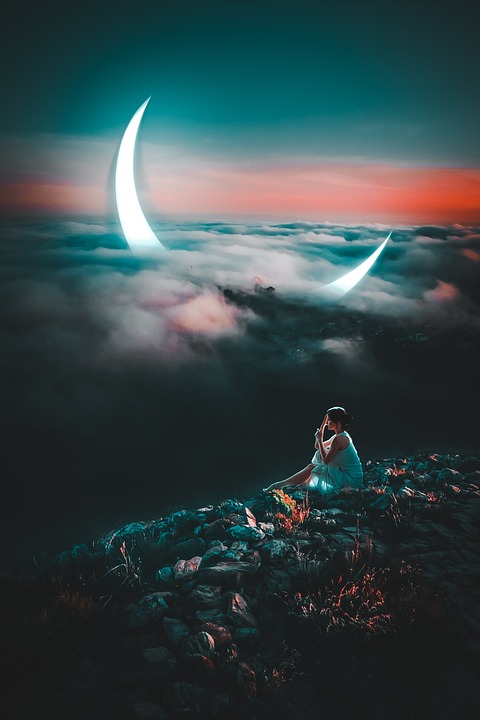
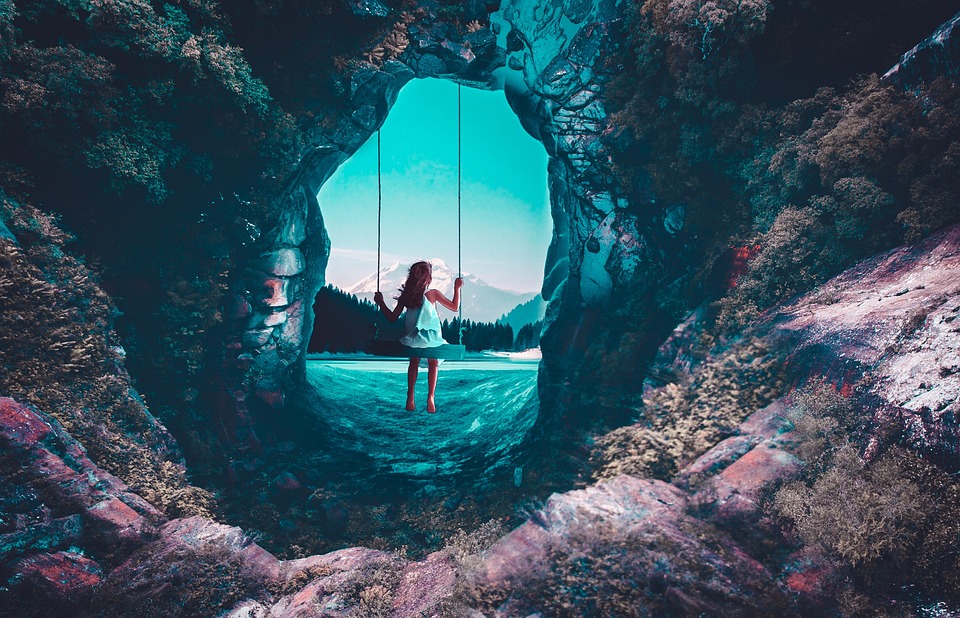
Compositing: Combining elements from different images can lead to surreal stories that might not be possible to capture in a single shot. This technique can transform reality, enabling photographers to realize imaginative narratives.
-
Double Exposure: This artistic technique overlays two images to create a striking, dreamlike effect. When used effectively, double exposure can tell layered stories or represent the complexities of a subject’s life.
-
Textural Overlays: Adding textures can lend a sense of depth and emotion to an image. For instance, a gritty overlay on a street photograph can evoke the urban hustle and bustle, adding layers to the viewer’s understanding.
Case Studies: Photography and Editing in Action
To illuminate the impact of photo editing in storytelling, let’s examine a few case studies across different genres.
1. War Photography
The work of renowned war photographer James Nachtwey illustrates how editing can shape narratives of conflict. Nachtwey’s images often evoke visceral emotions, and the post-processing he employs intensifies the gravity of the situations he captures. By enhancing contrast and saturation, he draws attention to the suffering and urgency within conflict zones. Although some may argue that his edits can heighten the drama, others see this as a vital way to communicate the harsh realities of war, ultimately serving as a catalyst for change and awareness.
2. Fashion Photography
In fashion photography, editing plays a critical role in defining aesthetics and trends. Photographers like Annie Leibovitz utilize editing to achieve polished and striking images that tell powerful stories about identity, beauty, and culture. Her use of color grading and retouching creates a distinctive visual narrative that complements the themes explored within her work, challenging perceptions around fashion and femininity.
3. Documentary Photography
In the realm of documentary photography, the edit can substantiate or dilute the narrative being conveyed. Photographers who aim to shed light on social issues—such as those documenting marginalized communities—must navigate the balance between artistic representation and ethical storytelling. Their editing choices can impact how stories are received and understood by audiences. Responsible editing can protect the dignity of subjects while advocating for change and awareness.
The Future of Photo Editing in Storytelling
As technology continues to evolve, so too does the realm of photo editing. Artificial Intelligence (AI) and machine learning are increasingly making their mark on this landscape. From automatic image enhancements to intelligent recommendations on color grading, these innovations may streamline editing processes, allowing photographers to focus more on storytelling.
However, as we embrace these advancements, it is crucial to maintain a critical perspective on the implications of AI in photography. Will the ease of editing diminish the value of a photographer’s unique voice, or will it serve as a tool that enhances creativity and expression? The answer may lie in how we choose to embrace these innovations while upholding the integrity of genuine storytelling.
Conclusion
In sum, the synergy between photography, editing, and storytelling is a powerful force that shapes how we perceive and engage with the world around us. Behind every striking photograph lies a series of choices made both in capturing the shot and in post-production. These choices, underscored by the principles of storytelling, demonstrate the profound effect that photo editing can have on narrative construction.
As photographers and editors navigate the ethical implications and creative possibilities of their craft, they wield a significant responsibility: to tell honest, evocative stories that resonate with viewers on deeper levels. The lens may capture a moment in time, but it is the art of editing that emphasizes, transforms, and ultimately enriches the narrative, reinforcing photography’s status as a vital and potent storytelling medium.
[ad_2]