
[ad_1]
In the digitally-driven world of the 21st century, photo editing has become an essential tool that transcends the boundaries of creativity, communication, and even professional practices. From subtle enhancements to dramatic transformations, the power of photo editing allows photographers, marketers, and everyday users to reshape visual narratives. This article delves into the multifaceted world of photo editing, exploring its history, techniques, applications, ethical considerations, and its social impact.
A Brief History of Photo Editing
To understand the transformative power of photo editing, it’s essential to look back at its history. The concept of modifying photographic images dates back to the 19th century. Early techniques included chemical alterations in darkrooms, where photographers could dodge, burn, or manipulate negatives to achieve desired effects. As technology evolved, so did the methods of editing.
With the advent of digital photography in the late 20th century, photo editing became more accessible to the masses. Adobe Photoshop, introduced in 1988, revolutionized the industry and set new standards for digital artwork. It equipped users with a comprehensive suite of tools that allowed for intricate adjustments, layering, and retouching—turning photography from merely capturing reality to an art form steeped in imagination.
The Tools of Transformation
Modern photo editing has evolved significantly, branching out into an array of software and applications that cater to various skill levels and artistic intentions. Here are some prominent tools that have fueled the transformative power of photo editing:
-
Adobe Photoshop: This flagship software is the benchmark for professional photo editing, enabling detailed retouching, compositing, and color correction. With its vast capabilities, it has become quintessential for photographers, graphic designers, and digital artists.
-
Lightroom: Another Adobe product, Lightroom specializes in photo management and editing, providing photographers with robust tools for image enhancement, organization, and batch processing. It’s particularly favored by portrait and landscape photographers for its ability to adjust colors and tones.
-
Mobile Applications: With smartphones becoming ubiquitous, apps like Snapseed, VSCO, and Adobe Lightroom mobile have democratized photo editing. These platforms put powerful editing tools into the hands of everyday users, allowing anyone to enhance their images on-the-go.
-
AI-Driven Tools: Emerging AI technologies are transforming photo editing even further. Tools like Luminar AI and Topaz Labs utilize artificial intelligence to simplify complex editing processes, making nuanced adjustments accessible to novice users.
Before and After: The Process of Transformation
To illustrate the transformative power of photo editing, consider the ‘before and after’ approach. This frequently used methodology showcases the impact of editing on an original image.
1. Color Correction
Color plays a vital role in setting the mood of a photograph. A simply overexposed image can be corrected, restoring vibrancy and depth. The before and after shots can be striking, showcasing brighter skies or more nuanced skin tones, ultimately leading to more impactful storytelling.
2. Retouching
Retouching is a crucial aspect of photo editing, particularly in portrait photography. Blemishes, wrinkles, or uneven skin tones can be smoothed out to enhance the subject’s features while still maintaining a natural look. The before-and-after image demonstrates not only physical changes but emotional resonance, reflecting enhanced confidence in the subject.
3. Compositing
Compositing involves blending multiple images into one seamless piece, often transforming an ordinary scene into something extraordinary. A before shot of a dull urban landscape can be brightened with added clouds, improved lighting, and enriching foreground elements, creating a narrative that captivates the viewer.
4. Creative Effects
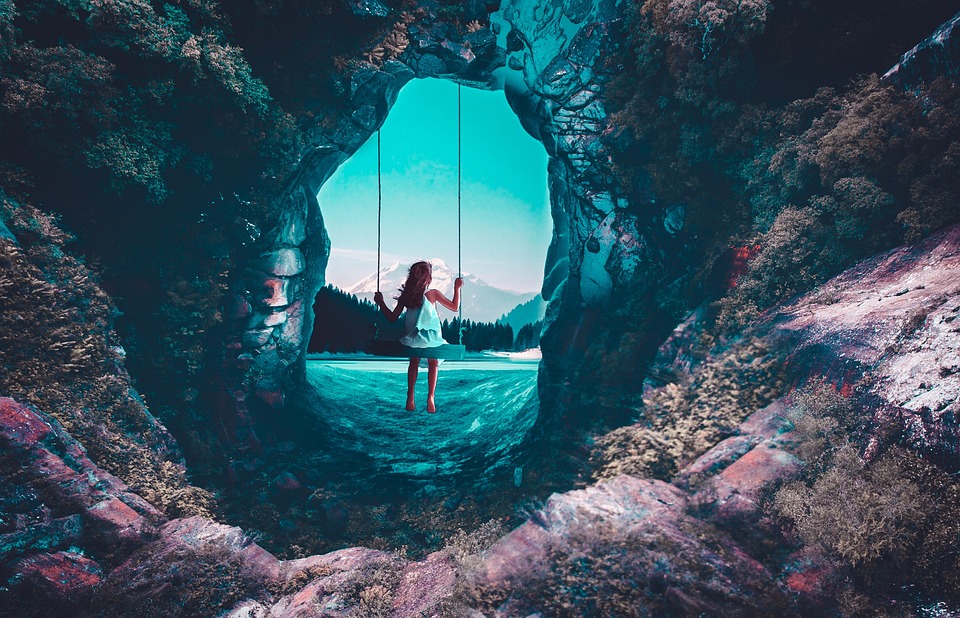
Photo editing can also introduce creative effects that drastically alter the essence of an image. From turning a colored scene into black-and-white to adding surreal elements (like dreamlike landscapes), the possibilities are endless. Such transformations allow artists to convey emotions that may not be present in the original photograph.
Real-World Applications
Photo editing’s transformative nature extends across various fields, each utilizing it for specific purposes.
1. Advertising and Marketing
In marketing, the line between reality and perception often blurs. Before-and-after images are crucial in demonstrating the effectiveness of products, from skin care to home furnishings. An untouched photograph can be enhanced to highlight product features and create an aspirational lifestyle, inviting consumers to engage with a brand.
2. Journalism and Documentaries
While photo editing allows for creative expression, its role in journalism raises ethical questions. While minor adjustments are often acceptable, over-editing can mislead audiences regarding reality. In the realm of documentarian photography, ‘before and after’ transformations must retain an aura of authenticity for viewers to trust the narrative being presented.
3. Social Media Influence
Social media platforms have exponentially amplified the significance of photo editing. Influencers and content creators routinely utilize before-and-after editing to curate an enviable online persona. From influencers showcasing lifestyle changes to businesses displaying product effectiveness, photo editing plays a pivotal role in shaping perceptions of success and desirability.
4. Artistic Expression
For artists, photo editing serves as a conduit for expression. Before-and-after transformations can illustrate creative growth, exploration of themes, or alternate realities. Artists use editing to tell stories that might not conform to traditional photography, allowing for a broader range of emotional and conceptual expression.
Ethical Considerations in Photo Editing
As photo editing continues to shape perceptions, ethical considerations emerge at the forefront. Society grapples with the consequences of manipulated imagery, particularly in fields like advertising, fashion, and social media.
-
Body Image Issues: Striking before-and-after comparisons that lighten, smooth, or modify body shapes can create unrealistic beauty standards. Such portrayals can lead to body dissatisfaction among audiences, fueling mental health issues, particularly among adolescents.
-
Deceptive Practices: In advertising and journalism, ethical implications arise from heavily edited photos that misrepresent reality. Transparency is critical; audiences should have the ability to discern authentic portrayals from manipulated imagery.
-
The Role of Authenticity: In a world saturated with edited images, preserving authenticity has become vital. Many brands are opting for more natural representations, emphasizing the beauty of imperfection and embracing diversity.
The Cultural Shift
As society navigates the complexities of photo editing, a cultural shift unfolds, emphasizing the importance of authenticity and inclusivity. Campaigns like #NoFilter and body-positive movements encourage individuals to embrace their natural selves, countering the effects of excessive editing.
Moreover, brands have adapted to this cultural shift by prioritizing genuine representations of consumers. By showcasing diverse body types and real-life situations, they build trust and profoundly resonate with audiences.
The Future of Photo Editing
Looking ahead, the future of photo editing holds intriguing possibilities. As technology advances, AI tools will become increasingly sophisticated, allowing for more refined adjustments with minimal effort. Real-time editing, augmented reality, and immersive environments may redefine how we perceive and interact with images.
Moreover, discussions around ethics will continue to evolve as society grapples with the implications of visual manipulation. The balance between creative expression and authenticity will remain a critical focal point, forging new pathways for artistic innovation.
Conclusion
The transformative power of photo editing is undeniably profound. It reshapes our understanding of reality while offering experiences rooted in creativity, emotion, and artistry. In a world filled with dazzling visuals, individuals must grapple with the importance of authenticity and ethical implications. Ultimately, the conversations surrounding photo editing will shape the future of visual storytelling, guiding how we connect with one another and the stories we choose to tell. As we navigate this complex landscape, one thing remains clear: photo editing is not merely a tool; it is a significant force that shapes perceptions, influences emotions, and fosters creativity in an ever-evolving digital age.
[ad_2]