[ad_1]
Photography is an incredible medium for expression, but the creative process doesn’t stop once the shutter clicks. Photo editing can elevate your images to an entirely new level and serve as a canvas for your imagination. In this extensive article, we’ll explore various unique photo editing styles, ranging from retro vibes to futuristic designs, and guide you on how to unlock creativity in every shot.
1. Vintage Vibes
Features:
- Color Palette: Muted colors, yellow or brown tones.
- Texture: Film grain and scratches.
- Borders: Soft, rounded edges or faded corners.
Tools and Techniques:
To achieve this look, you can use software like Adobe Lightroom or mobile apps like VSCO. Start by reducing the contrast and increasing the exposure slightly. Apply a vignette effect to darken the edges and use filters that mimic the qualities of old film. You can enhance this style further by manually adding texture overlays that resemble film grain or light leaks.
Inspiration:
When editing in a vintage style, think of great cinematic moments. Classic films often use warm colors and soft focus to elicit an emotional response. Look for inspiration from renowned photographers like William Eggleston, whose vibrant yet nostalgic interpretations of everyday life evoke the charm of the past.
2. Black and White Wonderland
Features:
- Contrast: High contrast with deep blacks and bright whites.
- Details: Emphasis on textures and patterns.
- Mood: Timeless, dramatic, or nostalgic.
Tools and Techniques:
Using Adobe Photoshop or Lightroom, convert your image to grayscale. Manipulate contrast levels to find the right balance. Make use of the ‘Dodge and Burn’ tools to enhance highlights and shadows, thereby adding depth to the photograph. Pay attention to textures, as they become more pronounced in a monochromatic scheme.
Inspiration:
Many iconic photographers, such as Ansel Adams, excelled at finding beauty in stark black and white. Consider capturing the mood of a moment rather than just the details. A lone tree against a cloudy sky, for example, can convey a story that transcends color.
3. Dreamy Pastels
Features:
- Color Palette: Soft pinks, blues, and greens.
- Focus: Gentle, ethereal quality.
- Mood: Whimsical and serene.
Tools and Techniques:
Edit your images with apps like Snapseed or Photoshop. Reduce the saturation slightly to create softer hues. Use the Gaussian blur effect on specific areas of the photo to create that dreamy quality. Adding a soft light filter can also elevate the entire look of the image.
Inspiration:
Dreamy pastel styles are often seen in fashion photography or lifestyle blogs. Work with compositions that include natural elements like flowers, water, or sunlight to enhance this aesthetic.
4. High Dynamic Range (HDR)
Features:
- Color Range: Vibrant and saturated colors.
- Detail: Enhanced details in both highlights and shadows.
- Depth: Three-dimensional feel.
Tools and Techniques:
HDR images are created by combining multiple exposures. Use HDR software like Photomatix or Adobe Lightroom’s HDR merging feature. Adjusting the tone mapping will allow you to control how shadows and highlights appear, producing that signature dramatic effect.
Inspiration:
Landscape photographers frequently utilize HDR to capture the vastness of nature. Think of grand vistas or cityscapes during twilight hours; HDR allows for all intricacies of light and shadow to be visible, painting a fuller picture of the scene.
5. Minimalistic Edits
Features:
- Simplicity: Clean and uncluttered.
- Focus: Emphasis on a single subject or element.
- Color Palette: Monotone or low-saturation colors.
Tools and Techniques:
Tools like Adobe Lightroom and Snapseed can help achieve this look. Cropping is essential; eliminate any distractions to keep the viewer’s attention on the main subject. Use the clarity and texture sliders to emphasize the subject while softening the background.
Inspiration:
Photographers such as Andreas Gursky are well-known for their minimalistic style. This approach allows for a meditative experience for viewers, inviting them to contemplate the essence of the image without distractions.
6. Double Exposure
Features:
- Composition: Overlapping images.
- Visual Interest: Intricate storytelling.
- Surreal Nature: Dreamlike quality.
Tools and Techniques:
Adobe Photoshop is the go-to software for double exposure. Overlay two images and use layer masks to blend them seamlessly. Adjusting the opacity and employing blending modes like ‘Screen’ can create a more cohesive look.
Inspiration:
The technique of double exposure can tell profound stories. Consider blending a portrait with a landscape, allowing the subject’s emotions to resonate with their surroundings. This technique also lends itself well to conceptual photography.
7. Cinematic Look
Features:
- Color Grading: Inspired by film aesthetics.
- Aspect Ratio: Widescreen dimensions.
- Mood: Story-driven and dramatic.
Tools and Techniques:
You can achieve a cinematic style using software like DaVinci Resolve or Adobe Premiere Pro for video, or Photoshop for still images. Adjust the color grading to mimic the characteristic teal-orange look, or apply film grain effects to evoke an authentic cinematic experience. Using a 2.35:1 aspect ratio can also enhance the cinematic feel.
Inspiration:
Films like “Blade Runner” or “Moonlight” have unique color palettes that can inspire your edits. Look at how light and shadow create mood and emotion, and apply those principles to your photography.
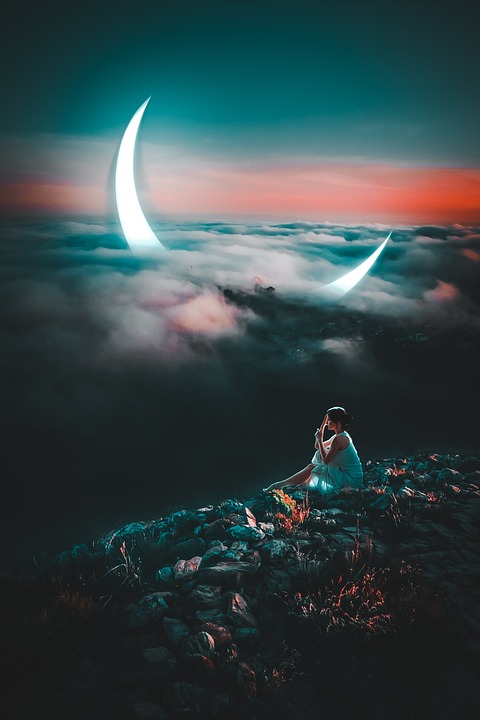
8. Surreal Editing
Features:
- Imagery: Unnatural elements brought together.
- Color and Shape Distortion: Vibrant colors and unusual forms.
- Emotional Impact: Challenges perceptions of reality.
Tools and Techniques:
Software such as Photoshop is essential for this style. Experiment with warping, bending, and distorting your images. Layering various elements together and using gradients can create other-worldly environments, allowing for an exploration of themes and ideas.
Inspiration:
Surreal photography is influenced by artists like Salvador Dalí. By incorporating unexpected juxtapositions within your imagery, you can provoke thought and stir emotions, giving the viewer a glimpse into the subconscious.
9. Pop Art
Features:
- Bold Colors: Bright, eye-catching hues.
- Graphic Elements: Comic-style dots and lines.
- Playfulness: Fun and engaging aesthetic.
Tools and Techniques:
You can achieve the pop-art style using Adobe Illustrator or Photoshop. Employ the halftone pattern, using filters like “Color Halftone,” and play with bold color overlays. Typography can also be a key element; integrating playful fonts can further engage the audience.
Inspiration:
Andy Warhol and Roy Lichtenstein are iconic for this style. Consider incorporating everyday objects or celebrities, transforming them into colorful, larger-than-life representations that resonate with cultural significance.
10. Abstract Editing
Features:
- Unconventional Forms: Shapes and designs that are not strictly representational.
- Color Explosion: Unique and unexpected color combinations.
- Interpretation: Allows for personal expression and interpretation.
Tools and Techniques:
Experiment with apps like Procreate or in Photoshop using brushes to create informal shapes and colors. Try out splattering techniques or layering textures to introduce depth and complexity. You might even manipulate your images using software that distorts, blurs, or abstracts your pictures entirely.
Inspiration:
Exploring abstract art can yield fascinating results. Artists like Wassily Kandinsky and Piet Mondrian craft capturing emotions through compositions rather than forms. Allow yourself to be bold and free in your editing.
Conclusion
Photo editing transforms your photography into an expression of your unique vision. Experimenting with these diverse editing styles can help you find your creative voice and inspire new ideas. Whether you’re drawn to the nostalgia of vintage edits, the stark contrast of black and white, or the vibrant palette of pop art, there’s a world of creativity waiting for your exploration.
Remember, the key to unlocking your creativity is practice and a willingness to experiment. Don’t hesitate to combine various techniques and styles. The beauty of photography lies in its flexibility and the boundless ways you can convey emotions, narratives, and messages.
So pick up your camera, take your photos, and dive into the rich world of editing; it’s time to create something extraordinary!
[ad_2]