
[ad_1]
From Snap to Stunning: The Journey of a Photo Editor
In an age where digital photography is ubiquitous and every smartphone is equipped with a powerful camera, the role of photo editing has never been more crucial. The transformation from a simple snap to a stunning photograph encompasses a journey filled with creativity, technical prowess, and a keen eye for detail. This article explores the multifaceted world of photo editing, detailing the skills required, the tools of the trade, and the creative process that elevates an ordinary image into a work of art.
The Evolution of Photography
Photography began as a cumbersome process in the early 19th century when pioneers like Joseph Nicéphore Niépce and Louis Daguerre first captured light on metal plates. Fast forward to the digital age, and we are now bombarded with images, thanks to smartphones, social media, and the internet. This democratization of photography has led to an explosion of visual content, making the role of the photo editor more significant than ever.
The transition from film to digital photography has further transformed the landscape. While film required a specific set of skills and a thorough understanding of the chemical processes involved, digital photography opened up new avenues for creativity. Settings such as ISO, shutter speed, and aperture can easily be adjusted in software like Adobe Lightroom or Photoshop, allowing for greater experimentation and flexibility.
The Role of a Photo Editor
A photo editor works at the intersection of art and technology. Their primary role is to enhance and optimize photographs, ensuring that they align with the intended vision or message. However, this role is often misunderstood; it involves a combination of technical skills, artistic sensibility, and a solid understanding of storytelling.
Technical Skills
-
Understanding of Software Tools: A proficient photo editor must master software like Adobe Photoshop, Lightroom, and Capture One. Each program offers unique features, from basic adjustments like cropping and color correction to advanced techniques like retouching and layering.
-
Color Theory: Color plays a pivotal role in photography. Understanding how colors interact, the importance of white balance, and how color grading can evoke specific emotions are essential skills for any photo editor.
-
Composition: Understanding the rules of composition—like the rule of thirds, leading lines, and framing—helps editors know what to emphasize or modify in an image. Good composition enhances the viewer’s experience and draws them into the photograph.
-
Retouching Techniques: Photo retouching can be as simple as removing blemishes or as complex as altering backgrounds. Editors should be adept at both basic and advanced retouching to create the desired image quality.
-
File Management: A photo editor must also be organized. With potentially thousands of photos to choose from, effective data management is vital for finding the right image efficiently.
Artistic Sensibility
Beyond technical skills, a successful photo editor must possess a unique artistic vision. This can involve:
-
Storytelling: Each photograph should tell a story. The editor’s role is to discern what story the image tells and enhance it through editing. This might involve cropping to focus on the subject or applying color grading to set a particular mood.
-
Personal Style: Just as photographers develop a personal style, so do editors. Recognizing and cultivating this style helps in creating a cohesive portfolio that speaks to their artistic vision.
-
Collaboration: Often, photo editors work closely with photographers to achieve a shared vision. This collaboration can lead to innovative results that neither could create alone.
The Creative Process: From Snap to Stunning
The creative journey of a photo editor is multi-faceted, moving from the initial shock of a raw snapshot to a polished, impactful final product. Here’s how this transformation typically unfolds:
Step 1: Selection
The first step is often the most daunting: selecting the right images to work on. This process may involve reviewing hundreds or even thousands of photos taken during a shoot. A critical eye is essential here, as editors must assess not only the technical aspects (sharpness, exposure) but also the emotional impact and storytelling potential of each image.
Step 2: Basic Adjustments
Once the images are chosen, the editing begins with basic adjustments:
-
Exposure: Ensuring the image is neither too dark nor too light. This is often the first adjustment made, using sliders for highlights, shadows, and contrast.
-
Color Corrections: Adjusting white balance to achieve natural skin tones or shifting colors to create a certain mood.
-
Cropping and Framing: Cropping helps in aligning the image with compositional guidelines and focuses the viewer’s attention on the primary subject.
Step 3: Advanced Editing
With the basic adjustments complete, the editor can delve into more advanced techniques:
-
Retouching: This can involve removing distractions, blemishes, or even elements that could detract from the image’s narrative.
-
Layers and Masks: Tools like layers and masks in Photoshop allow for selective editing, enabling the editor to enhance specific parts of the image without affecting the whole.
-
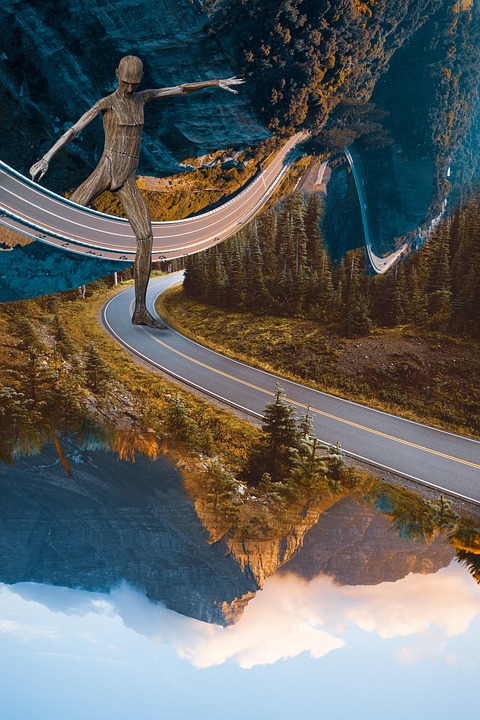
Additions and Alterations: Sometimes, the editor may decide to add elements to an image or change its background altogether. This requires a solid understanding of perspective, lighting, and shadows to maintain realism.
Step 4: Color Grading
Color grading is a subjective art form and can dramatically change the tone of an image. Whether aiming for a moody, cinematic feel or a vibrant, bright atmosphere, color grading allows editors to apply their artistic vision effectively.
Step 5: Final Reviews and Exporting
The last steps involve meticulous reviews of the edited images. This might include:
-
Zooming In: Checking for any remaining blemishes or distractions that may have been overlooked.
-
Consistency Check: Ensuring that all images from a set maintain a coherent style and look.
-
Exporting: Finally, the images are exported in the required formats, ensuring that the quality is preserved for printing or digital use.
Tools of the Trade
The toolbox of a photo editor consists not only of software but also of various techniques, plugins, and presets that facilitate and enhance the editing process.
Software
-
Adobe Photoshop: The industry standard for photo editing, offering extensive tools for retouching, compositing, and creating stunning visual effects.
-
Adobe Lightroom: Ideal for photo organization and batch editing, Lightroom allows editors to make quick adjustments without delving into heavier Photoshop tasks.
-
Capture One: Particularly favored by professional photographers for its powerful color grading and tethering capabilities.
Plugins and Resources
Numerous plugins, like Nik Collection and Portraiture, can enhance workflow and creativity, offering advanced filters and retouching tools to streamline the editing process.
Presets
Using presets can help maintain consistency across edits, especially when a particular mood or style is desired. While relying solely on presets isn’t advisable, they can serve as excellent starting points for further adjustments.
Challenges in the Industry
While the world of photo editing presents many opportunities, it also comes with its challenges.
-
Staying Current: The field is ever-evolving, with software updates and new techniques constantly emerging. Continued education and skill development are essential for staying relevant.
-
Client Expectations: Working with various clients can entail juggling different styles, preferences, and deadlines, requiring flexibility and adaptability.
-
Quality vs. Speed: In a fast-paced environment, balancing the quality of work with the necessity for quick turnaround times can be a significant challenge.
-
Ethical Considerations: With the power of editing comes responsibility. The line between enhancement and manipulation can be blurry, especially in journalism and fashion. Editors must navigate this carefully to maintain authenticity.
Conclusion
The transformation from a simple photo snap to a stunning piece of art is a complex journey that requires a unique blend of technical proficiency and artistic intuition. As the world continues to saturate with visual content, the role of photo editors becomes increasingly vital. They are the unsung heroes behind every captivating image, ensuring that stories are told not just through the lens, but through the digital brushstrokes of editing.
For anyone looking to embark on this rewarding journey, a world of creativity and skill awaits, where every click can lead to extraordinary results. The path from snap to stunning is paved with patience, persistence, and passion, making it a fulfilling endeavor for those willing to explore the depths of visual storytelling. Whether you’re an aspiring editor or a seasoned professional, the journey never truly ends—there is always a new image waiting to be transformed.
[ad_2]