
[ad_1]
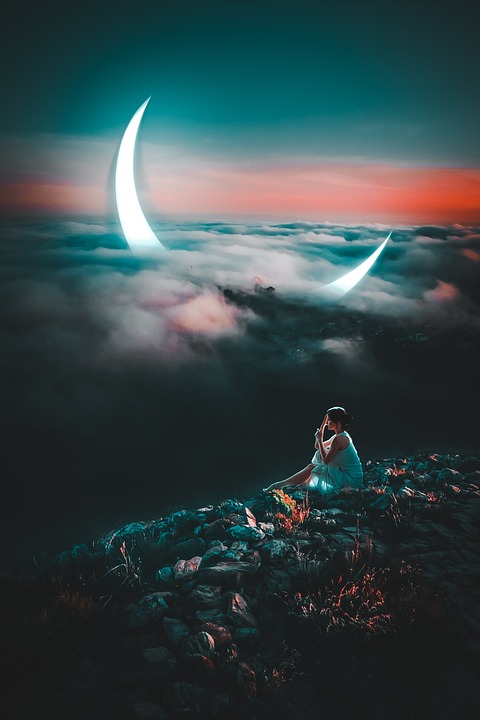
In a world where the digital image plays a pivotal role in communication, the advent of photo editing has revolutionized how we perceive reality. From enhancing a snapshot of a sunset to curating the perfect social media profile, photo editing is a skill that many have embraced. However, as technology advances and tools become more sophisticated, the ethical implications surrounding photo editing have sparked ongoing debates. What constitutes acceptable or unacceptable editing? How do societal standards shape our perceptions of edited images? This article delves into the ethical dimensions of photo editing, exploring its impact on personal and societal levels, and proposes a framework for responsible use.
The Evolution of Photo Editing
Historically, photo editing has existed in various forms, from darkroom techniques in the early 20th century to the sophisticated software we use today, such as Adobe Photoshop, Lightroom, and mobile apps like Snapseed and VSCO. Initially, photo editing was utilized primarily to correct technical flaws and enhance image quality. However, as technology advanced, the potential for manipulation grew exponentially.
In contemporary contexts, photo editing can involve anything from simple adjustments to extreme alterations, such as changing backgrounds or significantly altering physical appearances. This vast range of capabilities raises the question of where to draw the line. What is regarded as enhancing versus deception?
The Thin Line Between Enhancement and Deception
The distinction between enhancement and deception is critical in the photo editing debate. Enhancements often include adjustments like:
- Brightness and contrast: Making an image more visually appealing without altering its core elements.
- Color correction: Adjusting hues to present a more lifelike representation.
- Cropping and resizing: Focusing on or emphasizing the subject without fundamentally changing it.
On the contrary, deceptive practices might involve:
- Airbrushing: Removing imperfections to create an unrealistic portrayal of beauty.
- Body modifications: Altering body shape or size to present an idealized figure.
- Composite images: Combining several photos into one to create a misleading narrative or context.
While enhancements are typically accepted, the ethical implications become murkier with deceptive practices, raising questions about authenticity, responsibility, and societal impact.
The Societal Impact of Photo Editing
Body Image and Self-Perception
One of the most prominent issues arising from photo editing is its impact on body image and self-perception, particularly among young people. Studies have shown that exposure to heavily edited images can lead to negative body image, low self-esteem, and even mental health disorders, including anxiety and depression.
For instance, the prevalence of ‘Instagram models’ and influencers showcasing idealized versions of life has set unattainable standards. The discrepancy between edited images and reality creates a cognitive dissonance for viewers, leading many to feel inadequate. Consequently, organizations and movements advocating for body positivity and authenticity have emerged. They strive to counteract the harmful effects of edited images by promoting real and unfiltered representations.
Advertising and Commercial Ethics
In the realm of advertising, the ethical debate surrounding photo editing takes on additional layers. Brands often employ retouched images to present products or lifestyles in a way that attracts consumers. This practice raises questions about false advertising and consumer manipulation.
Numerous countries have implemented regulations regarding the disclosure of photo editing in advertisements. For example, France mandates that photos with digitally altered body shapes must include a label indicating the modifications. Similar initiatives aim to encourage transparency and foster trust between brands and consumers. Nonetheless, many companies still engage in practices that mislead consumers, perpetuating unrealistic expectations.
Cultural Sensitivity
Photo editing also raises cultural sensitivity issues. What may be acceptable in one culture can be offensive in another. For instance, altering images of diverse bodies or cultural symbols can result in cultural appropriation or misrepresentation. Consequently, it’s important for photo editors and content creators to approach their work with awareness and respect for cultural nuances.
The Role of Social Media Platforms
Social media platforms serve as both a gallery for edited images and a battleground for ethical discussions. Users are often encouraged to present their curated lives, leading to increased pressure to conform to idealized standards. However, platforms have begun acknowledging responsibility by implementing features to combat unrealistic portrayals.
For example, Instagram has introduced tools like “This Body is Beautiful,” which celebrate diverse body types and aim to counteract the negative effects of unrealistic beauty standards. Moreover, the platform has begun experimenting with labels to indicate altered images, similar to regulatory measures in advertising.
Despite these efforts, the debate remains complex. Critics argue that these measures are often insufficient and that social media companies need to take a more active role in shaping positive standards. The Pandora’s box of photo editing continues to be a challenge in the digital age.
Guidelines for Responsible Photo Editing
Given the complexities and ethical considerations mentioned above, establishing guidelines for responsible photo editing is essential. Here are a few principles to consider:
1. Transparency
Being transparent about editing practices fosters trust between creators and audiences. If an image has been significantly altered, it’s important to disclose that information to avoid misleading viewers. This can be particularly crucial for influencers and brands.
2. Authentic Representation
Creatives should strive to represent subjects authentically, focusing on enhancing the natural beauty of individuals rather than editing them into entirely different forms. It’s important to celebrate diversity, individuality, and uniqueness, rather than conforming to one standard.
3. Context Matters
Understanding the context in which an image is presented can guide ethical photo editing. For instance, editorial versus commercial applications may have different standards and expectations. Always consider the potential consequences of an edited image on audiences.
4. Educate Yourself and Your Audience
Educating oneself about the effects and implications of photo editing is crucial. Offering insights into the editing process can demystify it for audiences and encourage critical consumption of visual media. This can also involve fostering discussions about the impact of edited images on self-esteem and body image.
5. Encourage Critical Thinking
Encouraging viewers to critically analyze visual media can empower them to question the authenticity of images they encounter. Teaching media literacy skills in educational settings can promote healthy consumption of media and dispel the myths surrounding idealized images.
The Future of Photo Editing
As technology continues to evolve, so will the debate surrounding photo editing. Artificial intelligence (AI) tools are now being developed that can create hyper-realistic images and manipulate visual content with unprecedented ease. This rapid advancement presents both ethical challenges and opportunities.
AI-generated content, for example, raises questions about authorship and the definition of art. Additionally, concerns about deepfakes and misinformation have emerged, stressing the need for ethical frameworks governing these technologies.
Moreover, as society grapples with evolving beauty standards and definitions of authenticity, the role of photo editing will continue to shift. Growing movements advocating for body positivity and realistic portrayals are likely to influence industry standards and ethical expectations.
Conclusion
The ethical debate surrounding photo editing is multifaceted and complex, encompassing personal, cultural, and societal dimensions. While photo editing holds the potential for creative expression and enhancement, it also bears the responsibility of authenticity and transparency. The key lies in finding a balance between artistry and ethical considerations, establishing guidelines that honor individual uniqueness while remaining true to reality.
As we navigate the digital landscape, it is essential to engage in ongoing dialogues about the ethical implications of photo editing and its influence on our perceptions, interactions, and well-being. By prioritizing responsible practices, fostering education, and advocating for authenticity, we can work toward a more ethical approach to photo editing that respects the diversity of human experience. The future of visual media should aim for empowerment, authenticity, and a commitment to truth in an age where images wield tremendous power.
[ad_2]